OnCore Login

Member Features

Member Feature: Michigan State University Breslin Cancer Center

Oct. 1, 2018:

Investigator Spotlight

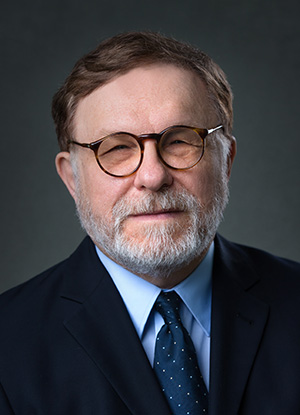
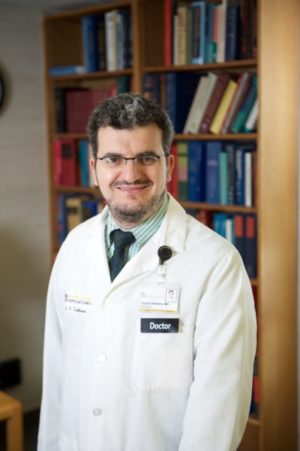
Borys Hrinczenko, MD, PhD, Breslin Cancer Center at Michigan State University

Educational background
  • MD: SUNY Downstate College of Medicine, Brooklyn, NY
  • PhD: University of Kansas, Lawrence, KS
  • Internship and Residency: Mayo Clinic, Rochester, MN
  • Fellowship: National Institutes of Health, Bethesda, MD

Research interests

My main interest is in new therapies for lung cancer, including the use of immune checkpoint inhibitors, the same treatments for which James P. Allison and Tasuku Honjo were awarded the 2018 Nobel Prize in Medicine. At the Breslin Cancer Center, we have Phase I clinical trials using checkpoint inhibitors to harness the body’s immune system against lung cancer. I’m collaborating on other projects with several MSU researchers, including:

  • Chemistry Professor Greg Swain, who is developing a device to measure nitric oxide and peroxynitrite in exhaled breath to determine if these are biomarkers for lung cancer.
  • Physiology Professor Eran Andrechek, who discovered in a preclinical model that some lung cancer patients with an overlooked mutation might respond well to treatment with tyrosine kinase inhibitors.
  • Pharmacology and Toxicology Associate Professor Karen Liby, who is studying rexinoid drugs for potentially treating lung cancer patients who have the KRAS mutation.
  • Bryan R. Smith, an associate professor of biomedical engineering, who is interested in using nanotechnology to reverse immunosuppression in lung cancer.

These are just a few examples of how we at MSU are collaborating across many disciplines to fight this devastating disease.
Read More

Member Feature: University of Michigan

Sept. 1, 2018:

University of Michigan Rogel Cancer Center investigators Ryan Wilcox, MD, and Sumana Devata, MD, discuss their current research in these videos. Dr. Wilcox and Dr. Devata are members of the Big Ten CRC’s Lymphoid Malignancies Clinical Trial Working Group. The University of Michigan is the Big Ten CRC’s featured member for September. Learn more about the Rogel Cancer Center. Read More

Member Feature: University of Iowa Holden Comprehensive Cancer Center

August 1, 2018:

Investigator Spotlight

Yousef Zakharia, MD, Holden Comprehensive Cancer Center at the University of Iowa

Education background

MD: Damascus University, Damascus, Syria
Residency: University of Rochester Unity Hospital, Rochester, New York
Fellowships: Michigan State University, Georgia Regents University (Medical College of Georgia)

Research interests

I am assistant professor of medicine in the division of medical oncology and hematology at the University of Iowa and medical oncologist at Holden Comprehensive Cancer Center. I specialize in melanoma and genitourinary malignancy. My research interests are experimental therapeutics and developing novel combinations in melanoma, kidney, and bladder cancers.

The two main projects I have been involved in are:

  • Combining the IDO pathway inhibitor indoximod with a PD-1 inhibitor in patients with metastatic melanoma. I have been involved in this clinical trial from the beginning—in the trial design, the LOI, and protocol drafting. I enrolled the very first patient on this multicenter trial. I presented the preliminary results at multiple national and international meetings, including the AACR annual meeting clinical trial plenary session in 2017 and final results at the 2018 ASCO annual meeting.
  • An investigator-initiated trial combining high-dose selenium with axitinib in recurrent and refractory clear cell renal cell carcinoma. The background for this trial is based on robust pre-clinical data generated at Roswell Park Cancer Center that suggests that selenium in high doses and certain schedules can downregulate hypoxia induced factor (HIF-a), which is over-expressed in kidney cancer, among other malignancies. Preliminary results of this clinical trial were presented at ASCO GU 2018.

Read More

Member Feature: University of Illinois Cancer Center

July 3, 2018:

Investigator Spotlight

David Peace, MD,  University of Illinois Cancer Center 

Educational Background

  • Medical School: University of Pittsburgh School of Medicine
  • Residency: University of Pittsburgh School of Medicine
  • Fellowship: University of Washington


Peace taking a shot at treating cancer
Reprinted with permission from the University of Illinois Cancer Center newsletter

Vaccines have been developed to fight the flu, combat chicken pox, and battle Hepatitis B. David Peace is working to add cancer to that list of diseases.

Peace, MD, a member of the University of Illinois Cancer Center and professor of hematology and oncology at the University of Illinois College of Medicine, is conducting basic and translational research in tumor immunology in hopes of developing vaccines to treat numerous cancers, including prostate, kidney and bladder. Read More

Member Feature: Purdue University Center for Cancer Research

June 6, 2018:

Investigator Spotlight

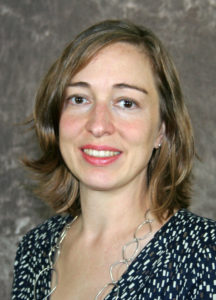
Emily Dykhuizen, PhD Purdue University Center for Cancer Research 

Educational Background

  • BA, Reed College, Biochemistry and Molecular Biology
  • PhD, UW-Madison, Chemistry
  • Postdoc, Stanford University, Chromatin Biology

Research Interests

My lab works on understanding the role of chromatin regulation on cancer initiation and progression. More specifically, we look at how chromatin regulators regulate gene expression in response to environmental changes. From this information we outline how patient mutations found in chromatin regulators cooperate with the metabolic environment to promote cancer. We then develop strategies to inhibit these pathways to treat a variety of highly chemoresistant cancers such as glioblastoma, kidney cancer, and ovarian cancers.

My lab collaborates with chemists, structural biologists, biochemists and cancer biologists across the Big Ten to identify how chromatin regulators contribute to cancer initiation, cancer metastasis and chemotherapy resistance, and most importantly, to identify how we can target these processes with novel small molecules to help patients with deadly cancers.

Read More

Member Feature: Penn State Cancer Institute

May 12, 2018:

Investigator Spotlight

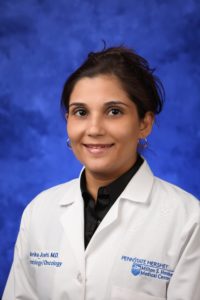
Monika Joshi, MD, MRCP, Penn State Cancer Institute 

Educational Background

  • MB, BS, Kasturba Medical College, Manipal Academy of Higher Education
  • Member of Royal College of Physicians, London
  • MD Residency, Internal Medicine, Pinnacle Health Hospitals
  • Hematology/Oncology Fellowship, Penn State Cancer Institute, Penn State Health Milton S. Hershey Medical Center

Research Interests

My clinical and research interests lie primarily in the field of genitourinary (GU) tumors, developing novel therapeutic combinations and biomarkers for GU cancer of the bladder, kidney and prostate. I have a keen interest in developing novel combination therapies with immunotherapy. For example, bladder cancer is considered aggressive, and checkpoint blockade immunotherapy has shown efficacy in this disease. Unfortunately, the therapy only works in approximately 25 percent of patients. Research suggests that priming the immune system with radiation could convert some non-responders to responders. We are currently investigating the role of adding radiation to a checkpoint inhibitor (durvalumab) in bladder cancer that is locally advanced. If successful, this novel approach could ultimately lay the foundation for bladder preservation strategy with immunotherapy in this unique subset of bladder cancer patients who have extensive local disease without any signs of distant metastases. I also serve as a co-leader for the GU diseases group at the Penn State Cancer Institute and was recently appointed as a co-chair of the Big Ten Cancer Research Consortium’s GU Clinical Research Working Group. Serving in this capacity helps me facilitate the groundbreaking research conducted by my colleagues in the consortium.

Read More

Member Feature: Rutgers Cancer Institute of New Jersey

March 1, 2018:

Investigator Spotlight

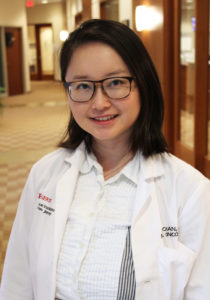
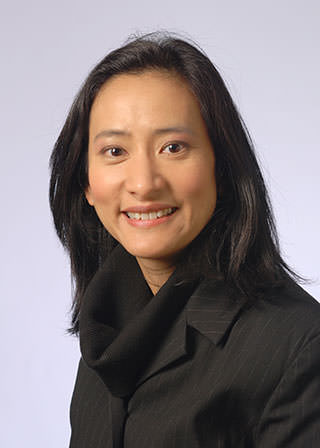
Nancy Chan, MD, medical oncologist, Rutgers Cancer Institute of New JerseyResearch interests: I am interested in discovering and developing new therapies for the treatment of breast and gynecological malignancies. I have witnessed various immunotherapies shrink tumors within weeks and help women live longer with their cancer with minimal side effects. I have also faced the frustration of lack of response and rare but life threatening side effects of immunotherapy. I hope that my research will contribute to how to identify responders, as well as how to improve and potentiate durable response. Our immune system is extremely intricate and sophisticated, we are still learning so much about its potentials. Our collaborations with my colleagues at Rutgers, the Big Ten, and pharmaceutical companies are driving progress in the field. The Big Ten breast cancer research consortium has developed innovative trials to explore the potential benefits of a variety of targeted therapies in triple negative, hormone receptor positive, and HER2 positive breast cancers.
Read More

Member Feature: Indiana University Melvin and Bren Simon Cancer Center

Feb. 1, 2018:

Investigator Spotlight:

Attaya Suvannasankha, MD, Indiana University Melvin and Bren Simon Cancer Center

School of Medicine: Chulalongkorn University, Bangkok, Thailand; Residency: Einstein Medical Center Philadelphia; Fellowship: Roswell Park Cancer Institute, Buffalo, NY

Research interests: Multiple myeloma is a rare and incurable blood cancer, but not all myeloma is the same. While the current treatments may work well initially, myeloma keeps recurring and eventually patients die from drug resistant myeloma and treatment side effects. Much work is needed to understand why myeloma cancer cells respond differently to common treatments. Currently, there is not a good way to predetermine the response of an individual’s myeloma to chemotherapy. Current treatments are therefore rather trial and error.

I believe that an individualized treatment for each patient will be more effective, less toxic, less expensive and can lead to a cure. In the lab, I am establishing a new way to grow and test each patient’s myeloma cells in mouse bones to select the right chemotherapy for them. In the clinic, I lead clinical trials that explore new drugs or drug combinations in myeloma. I am particularly interested in finding how to best use these medications in frail elderly patients in order to balance cancer control and quality of life issues.

Being a part of the Big Ten Cancer Research Consortium myeloma team allows me to work with the best and the brightest among the Big Ten Institutions to conduct high-impact, hypothesis-driven, highly translational, clinical trials in myeloma- a rare and incurable disease in need of novel treatments.

Little-known facts about Dr. Suvannasankha:

  • When I first moved to the US for residency training, I was so nervous speaking English that I only ate at fast food restaurants so I could order food by numbers without needing to speak in sentences. Thanks to all the Philadelphians for letting me practice English on them.
  • I was not at all athletic as a child. I’ve picked up running as a hobby and have completed a few marathons. Each marathon mile is dedicate to a patient, friend or family who has inspired me.
  • I have a poor memory for people’s names but I can remember people’s stories.

Read More

Member Feature: Masonic Cancer Center, University of Minnesota

Dec. 1, 2017:

Investigator Spotlight

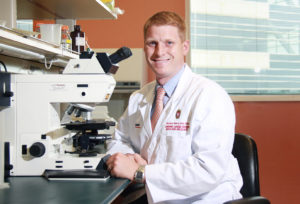
Elizabeth C. Neil, MD, Masonic Cancer Center, University of Minnesota Educational background: BS, Wayne State University School of Medicine: MD, University of Cincinnati: Residency in adult neurology, Memorial Sloan Kettering Cancer Center: Fellowship in neuro-oncology
Research interests: I am a neuro-oncologist at the University of Minnesota. A career focus of mine is to make clinical trials available to my patient population, which includes those diagnosed with primary brain tumors or metastatic disease to the central nervous system. I partake in industry-sponsored, national consortium, and Big Ten Network coordinated clinical trials, as well as investigator initiated clinical trials by way of collaborating with pharmaceutical/ bio-engineering companies and especially, University researchers. Opening these trials at the University of Minnesota Medical Center – Fairview is made possible with institutional resources and the support of my neuro-oncology team colleagues.

Little-known facts about Dr. Neil:

  • I played four years of college basketball on a Division I athletic scholarship.
  • My husband and I forfeited our highly coveted tickets to Hamilton on Broadway; third row with the original cast, because on the morning of the show, we unexpectedly (yet warmly welcomed) the birth of our daughter.
  • I am married to an architect and we passionately restored our first home in Cincinnati, a Queen Anne built in 1895 with plans to do the same to our current home, a 1910 American Four Square.

Read More

Member Feature: University of Wisconsin Carbone Cancer Center

Nov. 1, 2017:

Investigator Spotlight

Dr. Zachary Morris is an Assistant Professor in the Department of Human Oncology at the University of Wisconsin School of Medicine and Public Health and is a member of the UW Carbone Cancer Center.

This story is adapted from an earlier version, originally published by UW Health

Teaching the Immune System to Fight Cancer

Vaccines against an infection work by training the immune system at the site of injection and then spreading those educated immune cells throughout the body.

UW Carbone Cancer Center researcher and Big Ten Cancer Research Consortium (Big Ten CRC) Head and Neck Clinical Trial Working Group member Zachary Morris, MD, PhD, thinks that same immunotherapy concept can be applied to fighting cancer, especially metastatic cancers where cells from the initial tumor have spread to other parts of the body. Morris is also working with Big Ten CRC to launch a Sarcoma Clinical Trial Working Group.

Read More

University of Illinois

University of Illinois

Indiana University

Indiana University

University of Iowa

University of Iowa

University of Maryland

University of Maryland

University of Michigan

University of Michigan

Michigan State

Michigan State

University of Minnesota

University of Minnesota

University of Nebraska

University of Nebraska

Northwestern University

Northwestern University

Penn State University

Penn State University

Purdue University

Purdue University

Rutgers State University

Rutgers State University

University of Washington

University of Washington

University of Wisconsin

University of Wisconsin

University of Illinois at Chicago

University of Illinois at Chicago

© 2026 All rights reserved.

Big Ten Cancer Research Consortium
7676 Interactive Way, Suite 120, Indianapolis, IN 46278

email: info@bigtencrc.org    phone: 317–921–2050