OnCore Login

Member Features

Member Feature: Indiana University

March 1, 2020:

Investigator Spotlight

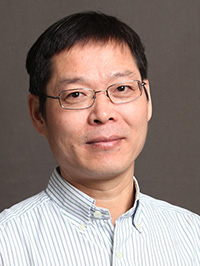
Anita Turk, MD, Indiana University School of Medicine

Educational background

  • MD: Indiana University School of Medicine
  • Residency: University of Chicago
  • Fellowship: University of Wisconsin

Research interests

I am a medical oncologist who treats gastrointestinal malignancies with a special focus on hepatobiliary cancers. My research focus is to develop targeted and immune-based therapies for my patients. Through Indiana University’s Precision Genomics Clinic, we have been able to sequence tumors to help us understand the biology and identify the best clinical trials within the Big Ten CRC for our patients. Read More

Member Feature: University of Nebraska

Jan. 7, 2020:

Investigator Spotlight:

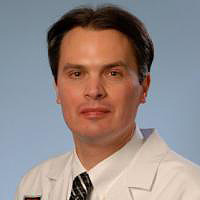
Benjamin Teply, MD, University of Nebraska Medical Center

Research interests:

I am a medical oncologist engaged in clinical and translational research in genitourinary malignancies, with a special focus in prostate cancer. I have worked on novel treatment strategies for prostate cancer, with a focus on mechanisms other than suppression of androgen signaling, in both treatment-naïve (such as PARP inhibition) and castration-resistant prostate cancer (such as therapeutic high-dose testosterone). I am also dedicated in optimizing the use of approved therapies to maximize patient benefit. Read More

Member Feature: University of Wisconsin

July 1, 2019:

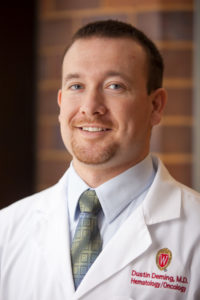
Investigator Spotlight:

Imagine having surgery to remove a tumor, and by the time you’ve recovered from the operation, your oncologist has determined a specific drug regimen that is targeted to treat your cancer.

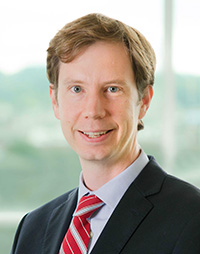
“If you get diagnosed with a bacterial infection, we take a culture, grow the bacteria in the lab, and treat the cultures with antibiotics,” said Dustin Deming, MD, a gastrointestinal oncologist and researcher with the UW Carbone Cancer Center. “This helps us learn what antibiotic will best treat an infection. Why can’t we do the same thing for cancer?”

Shifting “trial and error” treatment approaches from patients to cell cultures could spare patients time and unnecessary side effects while providing a personalized form of treatment.

The challenge to this approach has traditionally been the difficulty of growing cancer cells in the lab, but research in Deming’s lab, which focuses on gastrointestinal cancers, is overcoming this limitation. Read More

Member Feature: University of Minnesota

June 1, 2019:

Investigator Spotlight:

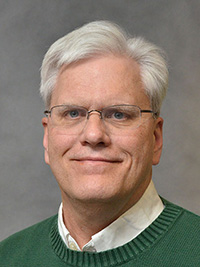
Robert Kratzke, MD, University of Minnesota

Research interests:

I am a medical oncologist with a particular interest in lung cancer and mesothelioma. In my laboratory we are currently looking at the use of viruses for cancer therapy. In particular, the vesicular stomatitis virus (VSV) interests us as it preferentially infects cancer cells without causing disease in humans. We have shown that injecting the virus at one tumor will rapidly lead to infection in other tumor sites throughout the body. Also, the infection of the cancer cells not only kills malignant cells, it elicits an immune response that helps attack surrounding cancer cells without harming normal cells. Finally, this enhanced immune response makes the infected cancer cells more vulnerable to treatment with the modern immunotherapies such as pembroluzimab or nivolumab. In collaboration with Dr. Manish Patel we are currently running clinical studies at the UMMC using VSV. Read More

Member Feature: University of Illinois Cancer Center

May 1, 2019:

Investigator Spotlight:

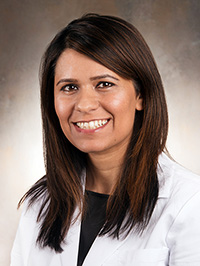
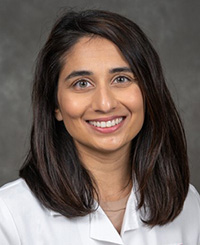
Ardaman Shergill, MD, University of Illinois

Research interests:

Dr. Shergill has a broad clinical practice where she treats patients with a variety of cancers. Her mission: Bring high quality, evidence-based, state-of-the-art care to all her patients, and deliver it in the most compassionate way possible. Her interest in cancer is due to having lost loved ones to the disease, giving her a unique and humbling insight into a patient’s experience with the illness. Dr. Shergill is interested in helping develop and improve access to novel promising therapeutic advances for her patients so they may benefit from the latest research that is occurring in the rapidly changing field of oncology. She has extensive experience in clinical trials and quality improvement in oncology. Dr. Shergill has co-authored numerous manuscripts and has presented her research at national and international meetings. Read More

Member Feature: Rutgers Cancer Institute

April 1, 2019:

Investigator Spotlight

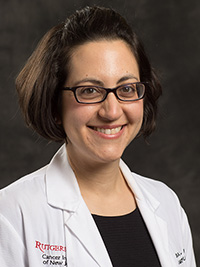
Salma Jabbour, MD, Rutgers Cancer Institute

Educational background

  • BA, University of Virginia
  • MD, University of Maryland School of Medicine
  • Internship, University of Maryland Medical Center
  • Residency in Radiation Oncology, Johns Hopkins School of Medicine

Research interests

I am interested in developing novel therapies for the treatment of lung cancers and gastrointestinal cancers in combination with radiation therapy. Many of these diseases still require significant improvements in outcomes, and breakthroughs such as immunotherapy may help patients live longer and control their cancers when combined with radiation therapy. Read More

Member Feature: Purdue University Center for Cancer Research

March 1, 2019:

Investigator Spotlight

Shihuan Kuang, PhD, Purdue University Center for Cancer Research

Educational background

  • PhD in Physiology and Cell Biology: University of Alberta

Research interests

My lab mainly aims to understand the molecular regulation of stem cells in the adult skeletal muscle and adipose tissues, and how deregulation of certain signaling pathways underlie diseases including cancer. Read More

Member Feature: Indiana University Melvin and Bren Simon Cancer Center

Feb. 1, 2019:

Thought Leader Perspectives: Acute Myeloid Leukemia
Acute myeloid leukemia (AML), a rapidly progressive form of blood cancer that can occur at any age but mostly presents in patients age 60 and older, represents the most common cause of leukemia-related mortality in the United States and accounts for approximately 21,000 new cases and 10,000 deaths per year.

For decades, the therapeutic progress in AML has been slower than in other cancers, which is in part due to the enormous genomic heterogeneity of the disease. Although the approval of several targeted agents by the FDA since April 2017 inaugurated an exciting new era in AML therapy, only a subset of patients are expected to benefit from these tailored treatment options. The great progress in understanding the pathophysiology of leukemia as well as the related discovery of potential new drug targets, in concert with recent advances in immunotherapy, has sparked a wave of innovative combinatorial treatment strategies that await to be tested in clinical trials. The successful implementation of such trials, however, demands new concepts of cooperative research, including the closer cooperation between clinical and research centers with the goal to harmonize and align research efforts.

The Big Ten Cancer Research Consortium’s Myeloid Malignancies Clinical Trial Working Group was formed approximately three years ago and is composed of a multidisciplinary team of physicians and scientists in various fields of leukemia research (e.g., clinical trials methodology, biomarker discovery, molecular genetics and diagnostics, etc.). The leukemia research laboratories within the consortium have a long-standing experience, reputation and collaborative working relationship that is critical to drive the success of the Big Ten CRC. To date, the working group’s productive collaboration has resulted in two clinical trials that are expected to open in the first quarter of 2019. Additional concepts are currently under review. Read More
Member Feature: Fred & Pamela Buffett Cancer Center

Dec. 1, 2018:

Investigator Spotlight

Pavankumar Tandra, MBBS, Fred & Pamela Buffett Cancer Center (University of Nebraska)

Educational background

  • MBBS: Osmania Medical School
  • MRCGP: South East Scotland Deanery
  • Fellowship (Hematology-Oncology): University of Nebraska Medical Center

Research interests

My research interests include tailoring the systemic therapies for early stage HER2-positive breast cancer. I believe we should do more studies in the neoadjuvant platform to assess the strengths of new targeted drugs, to identify biomarkers and minimize the toxicity from chemotherapy. It is very promising to see the new drugs studied in the metastatic setting showing positive results.
Read More

Member Feature: Northwestern University

Nov. 1, 2018:

The Robert H. Lurie Comprehensive Cancer Center of Northwestern University (cancer.northwestern.edu), one of only 49 National Cancer Institute (NCI)-designated Comprehensive Cancer Centers in the nation, is dedicated to scientific discovery, advancing medical knowledge, providing compassionate, state-of-the-art cancer care, and training the next generation of clinicians and scientists. Outstanding basic, translational, and clinical research complements a full range of prevention, early detection, treatment, rehabilitation, and palliative care programs for all types of cancer. Read More

University of Illinois

University of Illinois

Indiana University

Indiana University

University of Iowa

University of Iowa

University of Maryland

University of Maryland

University of Michigan

University of Michigan

Michigan State

Michigan State

University of Minnesota

University of Minnesota

University of Nebraska

University of Nebraska

Northwestern University

Northwestern University

Penn State University

Penn State University

Purdue University

Purdue University

Rutgers State University

Rutgers State University

University of Washington

University of Washington

University of Wisconsin

University of Wisconsin

University of Illinois at Chicago

University of Illinois at Chicago

© 2026 All rights reserved.

Big Ten Cancer Research Consortium
7676 Interactive Way, Suite 120, Indianapolis, IN 46278

email: info@bigtencrc.org    phone: 317–921–2050